

Knife drawer organizer solutions are essential if you want to keep your kitchen safe, organized, and efficient. But not all organizers are created equal. This guide breaks down what you really need to know before buying, installing, and relying on a knife drawer organizer in your daily cooking routine.
Key Takeaways
- Proper use of a knife drawer organizer helps prevent accidental cuts and blade damage in busy kitchens.
- Material quality, compatibility with your knives, and ease of installation are factors often overlooked by buyers.
- No organizer is totally foolproof; knowing potential pitfalls can save time, money, and frustration.
- What Is a Knife Drawer Organizer & Why You Need One
- How to Choose, Install, and Use a Knife Drawer Organizer
- Advanced Analysis & Common Pitfalls
- Conclusion
- FAQ
What Is a Knife Drawer Organizer & Why You Need One
Knife drawer organizers are inserts, trays, or racks specifically designed to hold and separate kitchen knives inside a drawer. Unlike universal drawer organizers, these products keep blades secure, reduce jostling, and help prevent accidents when searching for the right tool. The main reason people switch to a dedicated organizer is safety. According to data, kitchen knives alone account for about 36% of all knife injuries each year, with improper storage frequently cited as a primary risk factor by safety experts (source). When knives are loose in a drawer, blades can dull, chip, or worse, cause accidental lacerations when reaching for a tool. Besides injury risk, disorganized storage can damage both knives and drawers, wasting money and kitchen space.
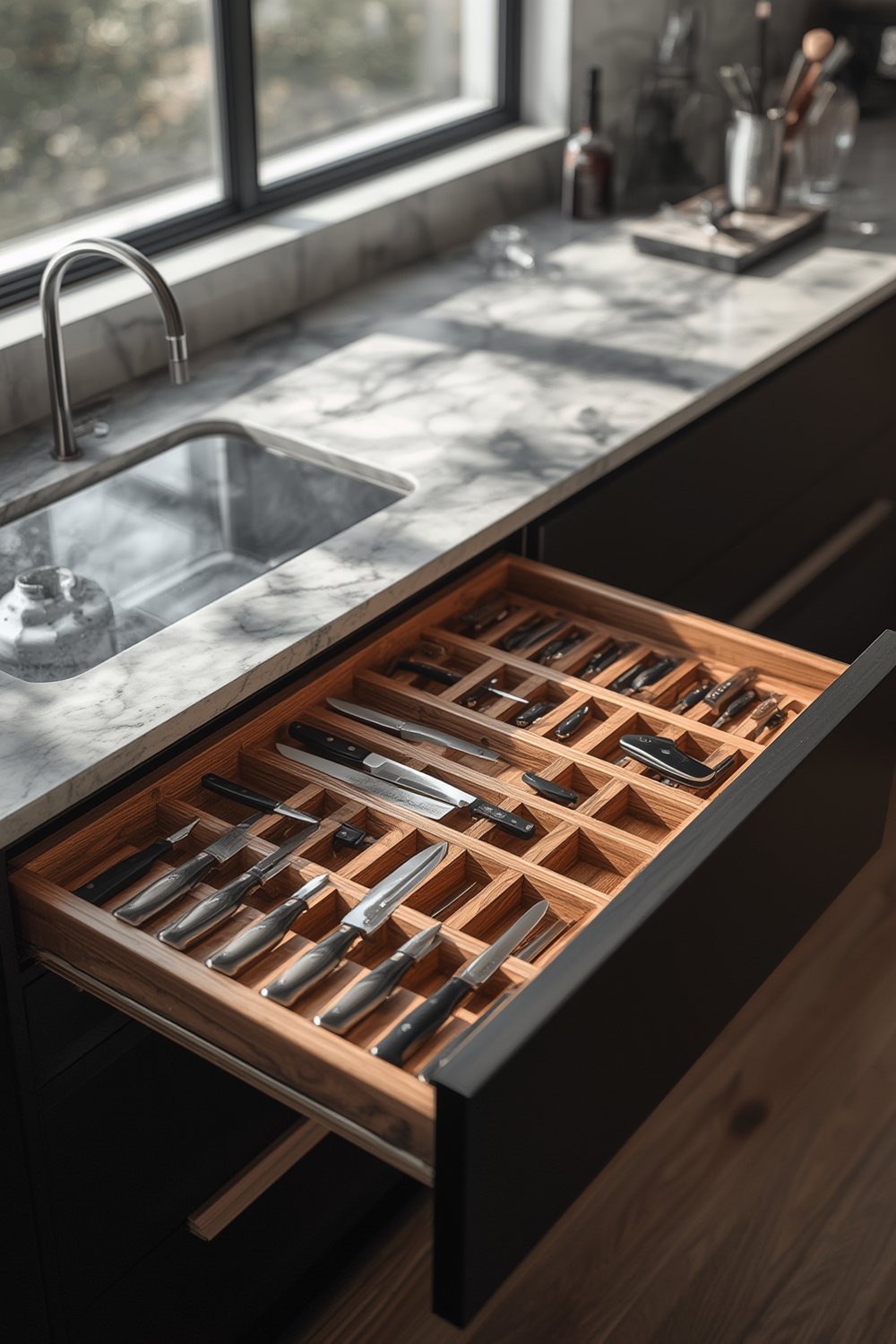
Proper storage options, such as in-drawer organizers, blocks, or magnetic racks, are widely recommended by food safety experts and organizations like Consumer Reports. Even if you have high-quality cutlery, how you store it determines how long it stays sharp and safe to use.
Knife drawer organizers cater to those seeking a minimalist countertop and are especially useful for families, apartment dwellers, or anyone optimizing kitchen gadget storage. For more space-saving strategies, check out our feature on space-saving kitchen gadgets.
How to Choose, Install, and Use a Knife Drawer Organizer
Organizing your kitchen knives safely and efficiently takes more than simply tossing an organizer in a drawer. Follow these actionable steps to get the most out of your investment:
- Assess Your Knife Collection: Lay out every knife you want to store—paring, chef’s, bread, utility, and any specialty knives. Decide if you want all blades in the drawer or just the most-used types.
- Inventory Drawer Dimensions: Grab a tape measure and record your drawer’s internal length, width, and depth. Account for any rails, hardware, or sticking points.
- Research Organizer Types: Options include bamboo, plastic, and metal trays—each with pros and cons in durability, hygiene, and price. Some hold as few as five knives; others up to twenty.
- Check Blade Compatibility: Many “universal” organizers do not accommodate thick blades, cleavers, or overly long chef’s knives. Verify slot sizes before purchasing.
- Choose Materials Carefully: Food-safe, BPA-free plastics or sustainably sourced bamboo are popular choices. Avoid products with rough or splintering edges that could dull blades.
- Install and Test Fit: Place the empty organizer in your drawer to ensure it rests flat. Try opening the drawer fully and partially to check for any interference.
- Load Knives Safely: Insert knives with blades facing down and handles up. Space out the knives so they don’t touch; overcrowding increases the risk of nicks and chips.
- Clean Regularly: At least once a month, remove the tray for cleaning. Wash the organizer by hand and wipe knives dry before returning them to the tray.
- Reevaluate Annually: As your cooking style evolves, so do your storage needs. Consider replacing your organizer if it shows wear, warping, or no longer fits your upgraded collection. For more detailed info on upgrading basic kitchen tools, visit our beginner kitchen tools guide.
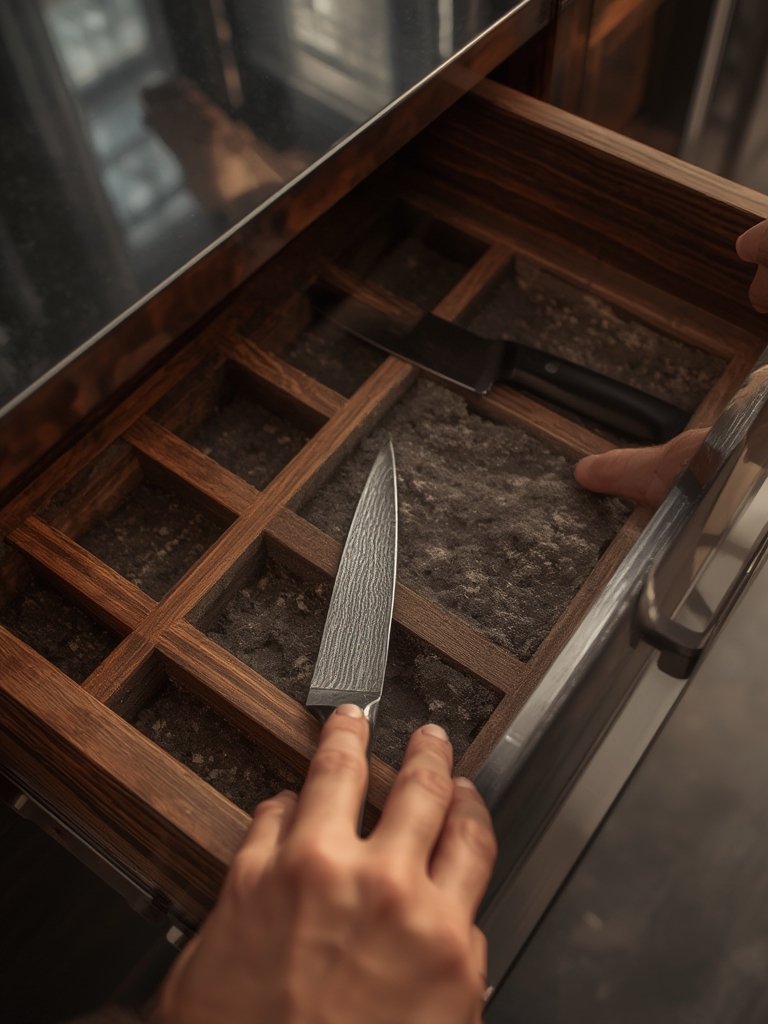
Maintenance Tip: If your organizer is wood or bamboo, never soak it. Wipe it with a damp cloth and let it dry completely to prevent mold and splitting.
If organization is a top priority in your kitchen, you’ll find more inspiration in our guide to drawer organizer inserts and our review of the best under sink organizer options for hidden storage.
For time-saving prep, consider pairing your knife drawer organizer with an efficient vegetable chopper that fits in nearby kitchen drawers or shelves.
Advanced Analysis & Common Pitfalls
Despite their usefulness, knife drawer organizers are not without faults. Real-life issues can arise even with careful shopping. Here’s what to watch for:
- Ill-Fitting Trays: Many organizers are designed for standard drawer dimensions. In older or custom kitchens, these “universal” trays can rattle or leave wasted space. Always verify dimensions before purchase.
- Limited Compatibility: Specialty knives—like cleavers, santokus, or extra-long blades—often don’t fit. Check slot width and length (usually listed in the product description) before buying.
- Safety Risks Still Exist: Although organizers reduce risk, accidents still happen if blades are loaded haphazardly or if children access drawers. Always close drawers after use, and consider using safety latches in homes with kids.
- Maintenance Neglect: Crumbs and moisture can collect beneath or inside trays, leading to odor, mold, or rust. Schedule periodic deep cleaning for both knives and organizers.
- Material Wear: Low-quality trays can develop nicks or split, especially bamboo or wood versions if they’re saturated by water or mistreated.
- Hygiene Concerns: Some organizers are hard to fully clean, especially those with glued seams, deep grooves, or non-removable slots. Regularly inspect for food residue and bacteria buildup.
- Lack of Certifications: Very few in-drawer knife trays on the market will carry explicit FDA food-grade or BPA-free certifications. When in doubt, look for clear labeling or vendor guarantees.
| Problem | Why it Happens | How to Fix |
|---|---|---|
| Organizer too small or large for drawer | Improper measurement, assuming “universal fit” | Carefully measure drawer & check specs before purchase |
| Doesn’t fit specialty knives | Slot design is only for basic blades | Choose models with adjustable or wider slots |
| Tray shifts or slides during use | No anti-slip bottom or adjustable feet | Add non-slip drawer liners or adhesive pads underneath |
| Difficulty to clean | Fixed slots or glued seams trap debris | Opt for trays with removable parts or open slots |
| Wear and tear (especially bamboo/wood) | Exposure to moisture, lack of oiling | Clean and dry thoroughly; oil wood annually |
| Unlabeled materials | No food-grade/BPA-free marking | Contact manufacturer or look for reputable certifications |
For further details on maintaining cleanliness and efficiency in kitchen storage, see our advice on pantry organization systems and glass food storage containers.
Conclusion
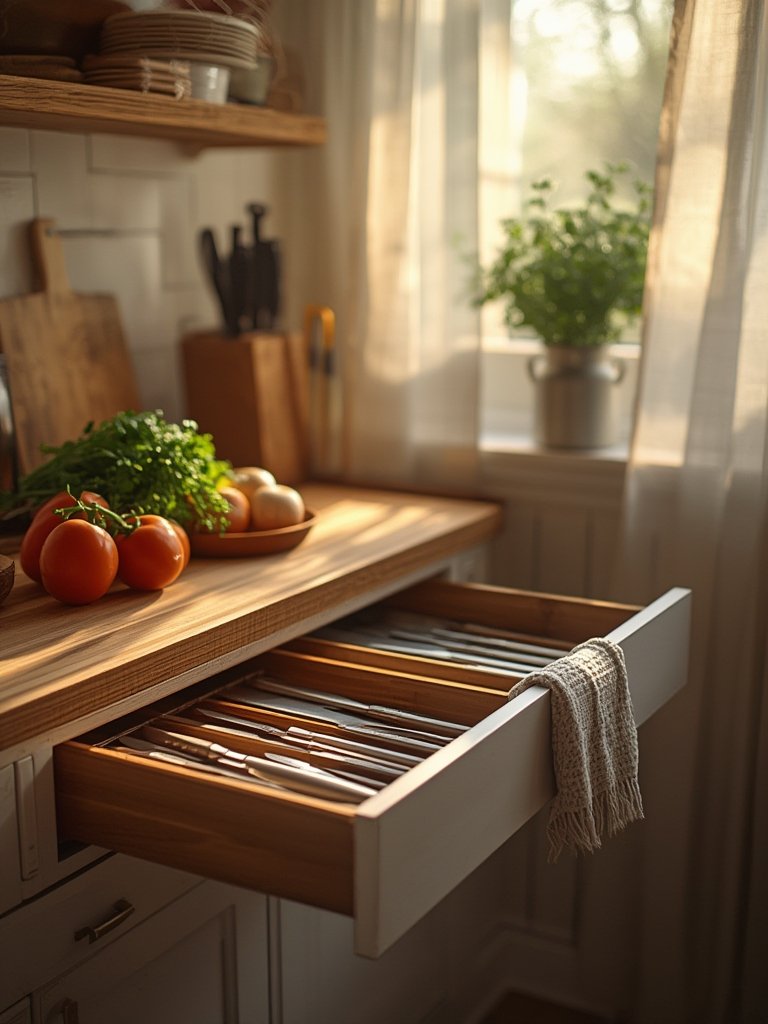
A quality knife drawer organizer protects your knives, saves you time, and makes your kitchen safer—provided you choose one that fits your knives and your drawer, and you keep it clean. While not risk-free, the benefits outweigh the drawbacks for most home cooks and kitchen enthusiasts. If you keep your focus on compatibility, hygiene, and maintenance, a knife drawer organizer can bring both order and peace of mind to your cooking routine.
Ready to take your kitchen organization to the next level? Start by reviewing your existing cutlery and drawer space, then select the best-fit organizer for your needs. Compare options regularly, and pair your solution with smart storage for a truly seamless workflow.
FAQ
Do knife drawer organizers make kitchens safer?
Yes. Research shows improper storage is a key risk factor for kitchen knife injuries. While there’s no precise injury reduction percentage, using a knife drawer organizer can lower the chances of accidental cuts and blade damage by keeping knives secured and separated. (More info)
Will any knife fit in a standard in-drawer organizer?
No. Many organizers are designed for basic kitchen knives. Specialty knives—like cleavers or long bread knives—may not fit. Check the slot dimensions before buying, or seek models with adjustable sections.
How do I keep a knife drawer organizer hygienic?
Remove the organizer monthly, wash it by hand with mild soap, and dry thoroughly. For wood or bamboo organizers, never soak in water; instead, wipe with a damp cloth. Occasionally oil wood organizers to prevent splitting.
Are knife drawer organizers dishwasher safe?
Most plastic organizers are top-rack dishwasher safe, but wood or bamboo types are not. Always check manufacturer guidelines before washing any organizer in the dishwasher.
What certifications should I look for when buying?
Look for BPA-free, food-grade plastics or sustainably sourced bamboo with clear labeling. Direct FDA certifications are rare, so buy from reputable brands and retailers. Contact the manufacturer if unsure about the material’s safety.