

Glass food storage containers are gaining traction as a practical, eco-friendly solution for modern kitchens, promising safe storage and sustainability—but do they truly deliver on these claims, and are there hidden drawbacks to be aware of?
Key Takeaways
- Glass food storage containers occupy an 11.8% global share in the food storage container market as of 2024, with the fastest projected growth among materials.
- While glass offers excellent recyclability and longevity, concerns remain about breakage risks and true airtight performance compared to plastics.
- Cost, lid compatibility, and the lack of airtightness certifications are important and often overlooked factors when choosing glass storage options.
- What Are Glass Food Storage Containers and Why Use Them?
- How to Choose and Use Glass Food Storage Containers: A Practical Guide
- Advanced Analysis: Pitfalls, Costs, and Real-World Drawbacks
- Conclusion
- FAQs About Glass Food Storage Containers
What Are Glass Food Storage Containers and Why Use Them?
Glass food storage containers are reusable kitchenware designed to hold leftovers, meal prep, dry goods, and ingredients. Unlike single-use plastics, these containers are crafted from durable, non-porous glass that resists stains and odors.
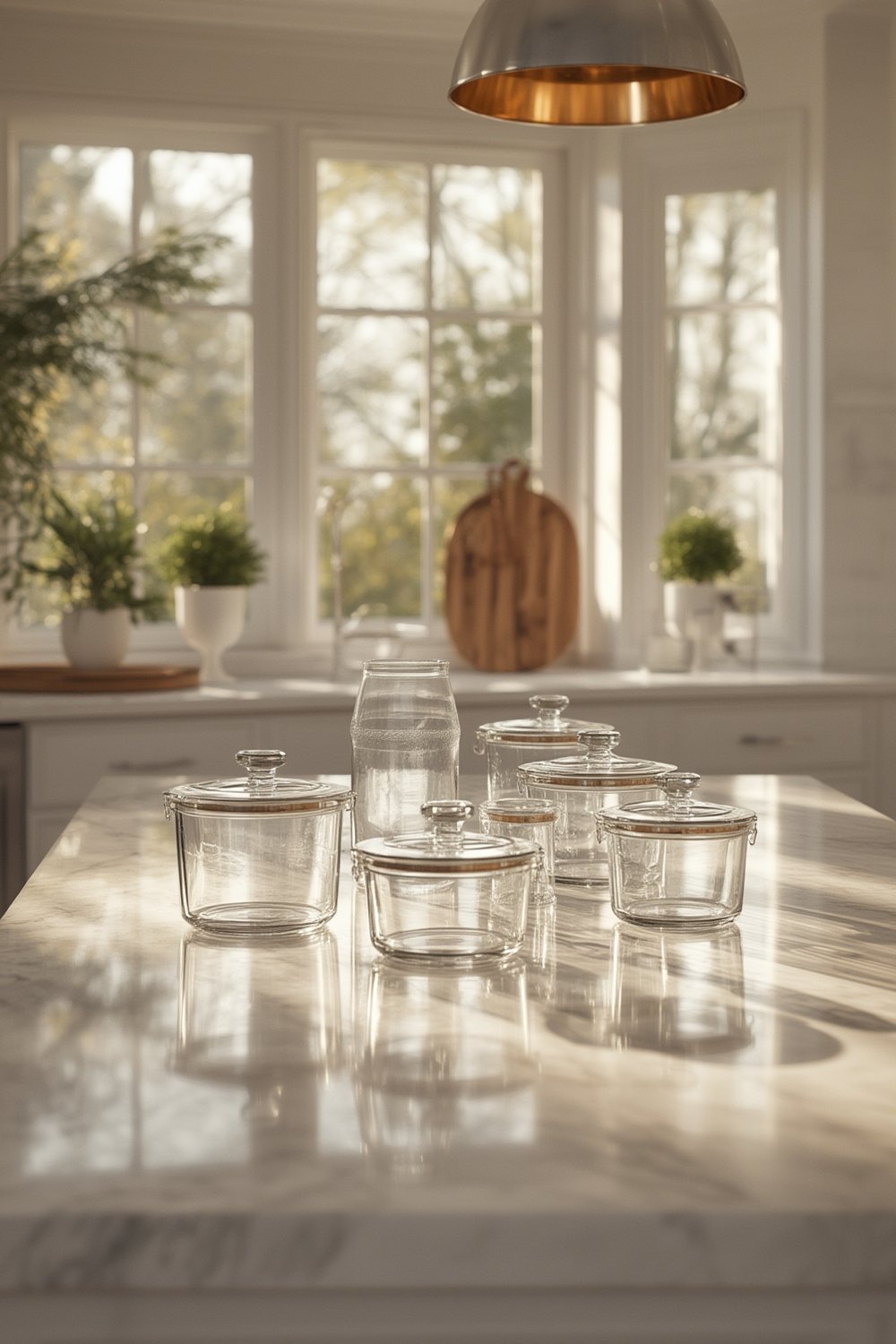
Why are these containers so popular in 2024? Market research shows glass has captured approximately 11.8% of the global food storage container market, valued at $20.8 billion this year, and is projected to see the fastest compound annual growth among food storage materials (source).
Key reasons people are opting for glass food storage include:
- No BPA or similar chemical leaching concerns—unlike with plastics.
- Glass is highly recyclable and preferred by shoppers who prioritize sustainability—over 70% of Gen Z in the US are willing to pay more for it (source).
- Longevity and durability: glass lasts years if handled carefully, outlasting most plastics.
However, choosing glass for food storage is not without its downsides. Breakage risk, variable lid performance, and cost require careful consideration. By understanding these aspects, you’ll know if glass containers fit your kitchen—and how to avoid the most common mistakes.
How to Choose and Use Glass Food Storage Containers: A Practical Guide
Ready to upgrade your pantry? Here’s a realistic, step-by-step approach tailored for cooks, meal-preppers, and anyone wanting fuss-free food storage.
- Assess Your Storage Needs: Consider your usual meal sizes, types of foods, and storage habits. For example, large rectangular containers are ideal for batch cooking, while small round ones suit snacks or sauces.
Get inspiration on how to maximize kitchen space from our space-saving kitchen gadgets guide. - Compare Lid Types and Seals: Most glass food storage containers use locking plastic lids with silicone gaskets, though materials vary. Genuine airtightness is not standardized, so look for product reviews or independent lab tests before buying—don’t rely solely on marketing claims.
- Factor In Oven and Freezer Safety: Not all glass is made equal. borosilicate glass withstands oven use; borosilicate glass is even better for thermal shock resistance. Ensure the lids themselves are oven-safe (rarely the case) or at least can go in the freezer without cracking.
- Budget Realistically: Glass containers cost more up front than plastics. However, their durability means fewer replacements over time. Still, if you have kids or a history of breakage, you may want to keep some BPA-free plastic containers in reserve.
Our worth buying kitchen gadgets article offers more insights on making smart kitchen investments. - Organize Smartly: Stack containers by size and store lids vertically for easy access. Mix glass containers with other modular gadgets like a magnetic spice rack or drawer organizer inserts to streamline your pantry and counters.
- Maintain for Longevity: Avoid thermal shocks (like placing hot glass directly in cold water) and check gaskets regularly for mold or deterioration. Most containers are dishwasher-safe, but hand washing can help prevent lid warping.
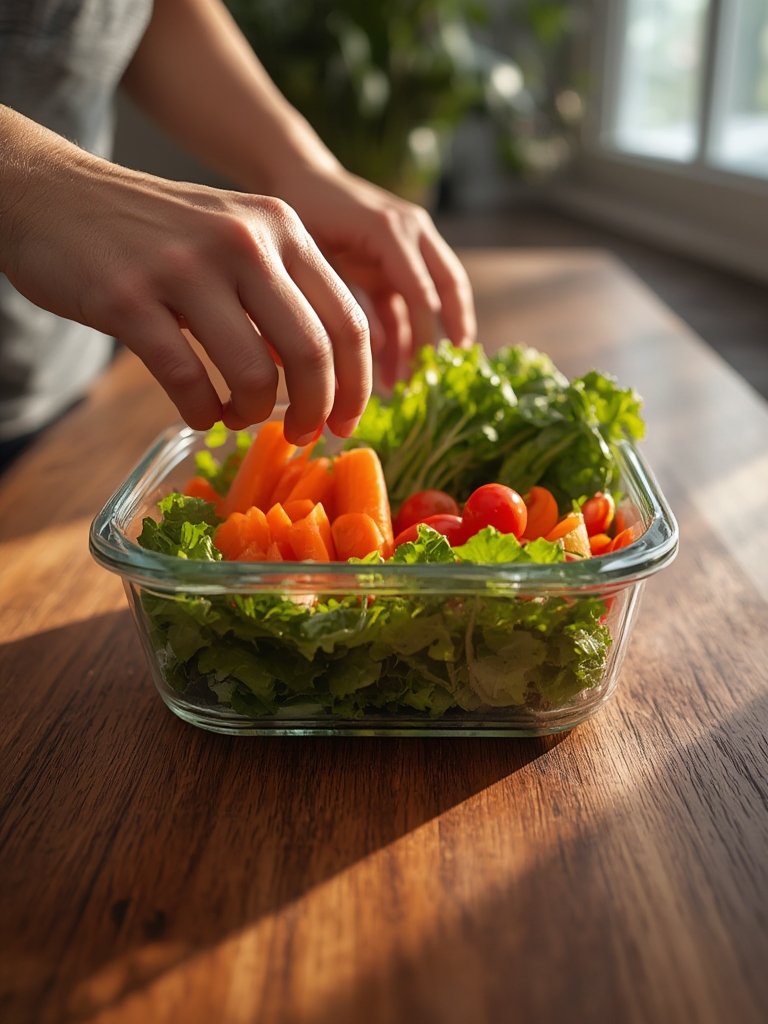
If you have limited kitchen space, combining glass food storage with other apartment kitchen gadgets or specialized organizers can make your routine more efficient with less clutter. And for busy cooks, pairing glass storage with devices reviewed in our cooking gadgets guide may save real time day-to-day.
Advanced Analysis: Pitfalls, Costs, and Real-World Drawbacks
No storage solution is perfect. Here’s what up-to-date research and real-world experience reveal about the limitations and pitfalls of glass food storage containers.
Breakage Risks and Handling Issues
- Glass will break or chip if dropped—especially on hard surfaces. Even tempered and borosilicate types aren’t shatter-proof.
- Many users report hairline cracks after sudden temperature changes; avoid moving directly from freezer to oven, or vice versa.
Lid and Seal Performance Is Not Universal
- Most glass container lids are made of plastic (sometimes with a silicone gasket), not glass. Gasket quality and airtightness can differ widely, even in sets labeled as “airtight.”
- There are no standardized certifications or ratings verifying truly airtight claims for glass containers, unlike in the plastic container industry (source).
- Replacement lids may be hard to find or not interchangeable between brands. Consider this before investing in a large set.
Cost, Market Share, and Longevity: Glass vs. Plastic vs. Stainless Steel
| Feature | Glass | Plastic | Stainless Steel |
|---|---|---|---|
| Upfront Cost | $$ (medium to high) | $ (low) | $$$ (high) |
| Breakage Risk | High | Low (cracking possible) | Very Low (dents possible) |
| Airtightness | Varies by brand/lid | Usually superior | Depends on gasket & seal |
| Recyclability | High | Low (often not accepted curbside) | High |
| Chemical Leaching | None | Possible (BPA/BPS risk) | None |
| Dishwasher/Oven Safe | Most are, always check lid | Usually not oven safe | Usually yes, lids vary |
| Longevity | Years (if not dropped) | Months–1 year | Years |
Plastic food containers maintain over a 50% market share due to affordability and leak resistance (source). Still, plastics have recycling, odor retention, and chemical leaching issues that glass avoids.
Environmental and Health Impacts
- Glass releases no chemicals, doesn’t leach, and is easily recycled—addressing health and eco concerns (source).
- Glass containers are reusable for years, but recycling infrastructure in the US and globally remains underdeveloped—less than 1% of glass/metal storage is recycled as of 2024 (source).
Missing Information in Most Reviews
- User complaints about lid fit, leak resistance after dishwasher use, and microwave safety are rarely detailed in top-ranking articles.
- Difficulties sourcing individual replacement lids or gaskets are also under-discussed.
- Transparent brand-by-brand airtightness testing and cost-per-use comparisons are mostly absent.
Conclusion
Glass food storage containers bring undeniable strengths—no chemical leaching, sustainability, and premium longevity—but fall short in lid airtightness, breakage resistance, and upfront cost. Approach buying decisions with a realistic view of handling risks and the true performance of lids and seals.
If you want to reduce plastic waste and invest in long-lasting storage, glass food storage containers are a smart addition to any modern kitchen. Start by evaluating your needs and check product details for real airtightness and compatibility. Ready to upgrade your kitchen? Invest in high-quality glass options and organize smarter—your food and the planet will thank you.
FAQs About Glass Food Storage Containers
Are all glass food storage containers truly airtight?
No, the airtight performance depends mostly on the quality of the lid and gasket. There are no standardized certifications for airtightness in glass storage, so check reviews and seals before buying.
Can glass food containers go in the oven, freezer, and microwave?
Most tempered glass containers can go in ovens and freezers, but always confirm manufacturer guidelines. Lids are often not oven-safe and may warp in microwaves if not labeled as microwave-safe.
What should I do if my glass container lid becomes warped or leaks?
If lids warp, try to get a replacement from the manufacturer. If leaks persist, repurpose the base for non-liquid storage or as mini bakeware. Avoid relying on leaky lids for soups or sauces.
Are glass food storage containers worth the extra cost compared to plastics?
They’re more expensive upfront but often last much longer if cared for. For those focused on health and sustainability, the investment pays off over time through fewer replacements and safer storage.
How can I store glass containers to prevent breakage?
Always stack by size, avoid piling too high, and don’t nest glass with heavier cookware. Keep lids off when stacking if storage space allows to avoid trapping moisture.