

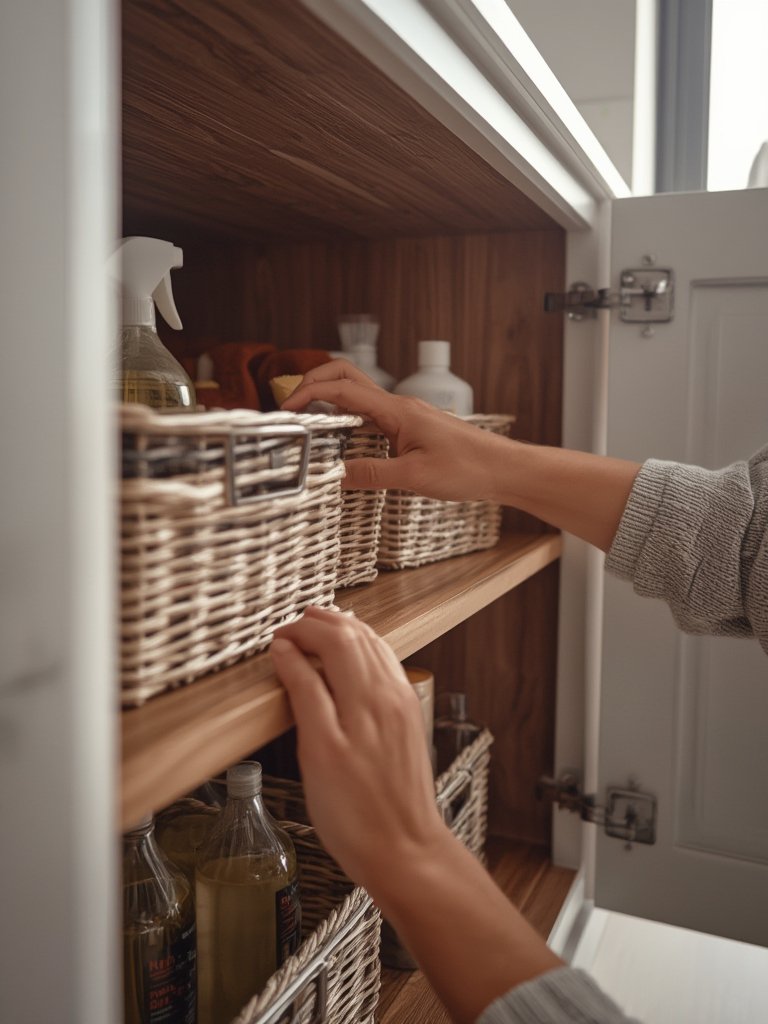
Under sink organizer solutions are one of the most effective ways to reclaim lost space, eliminate clutter, and boost functionality in any kitchen or bathroom cabinet.
Key Takeaways
- The under sink organizer market is booming, driven by rising demand in urban homes with limited storage space.
- Features like pull-out trays, adjustable racks, and durable water-resistant materials deliver the best long-term value.
- Choosing the right organizer requires understanding your cabinet’s dimensions, plumbing layout, and material preferences.
- What Is an Under Sink Organizer and Why Use One?
- How to Install and Optimize an Under Sink Organizer: Step-by-Step
- Advanced Analysis & Common Pitfalls to Avoid
- Conclusion & Next Steps
- Frequently Asked Questions
What Is an Under Sink Organizer and Why Use One?
An under sink organizer is a dedicated rack or shelf system designed to fit beneath a sink inside your cabinet, allowing you to maximize vertical and horizontal storage space while keeping items easily accessible and protected from leaks or spills. In 2024, these organizers have gone from being nice-to-have accessories to essential kitchen and bathroom upgrades, thanks to market growth nearing USD 2.12 billion this year alone.
Urbanization, smaller apartment footprints, and rising home improvement spending have pushed homeowners to squeeze every inch out of their available cabinet space. Under sink organizers address this need by offering adjustable designs, pull-out trays, and compartments that fit around plumbing—transforming dead space into functional storage.
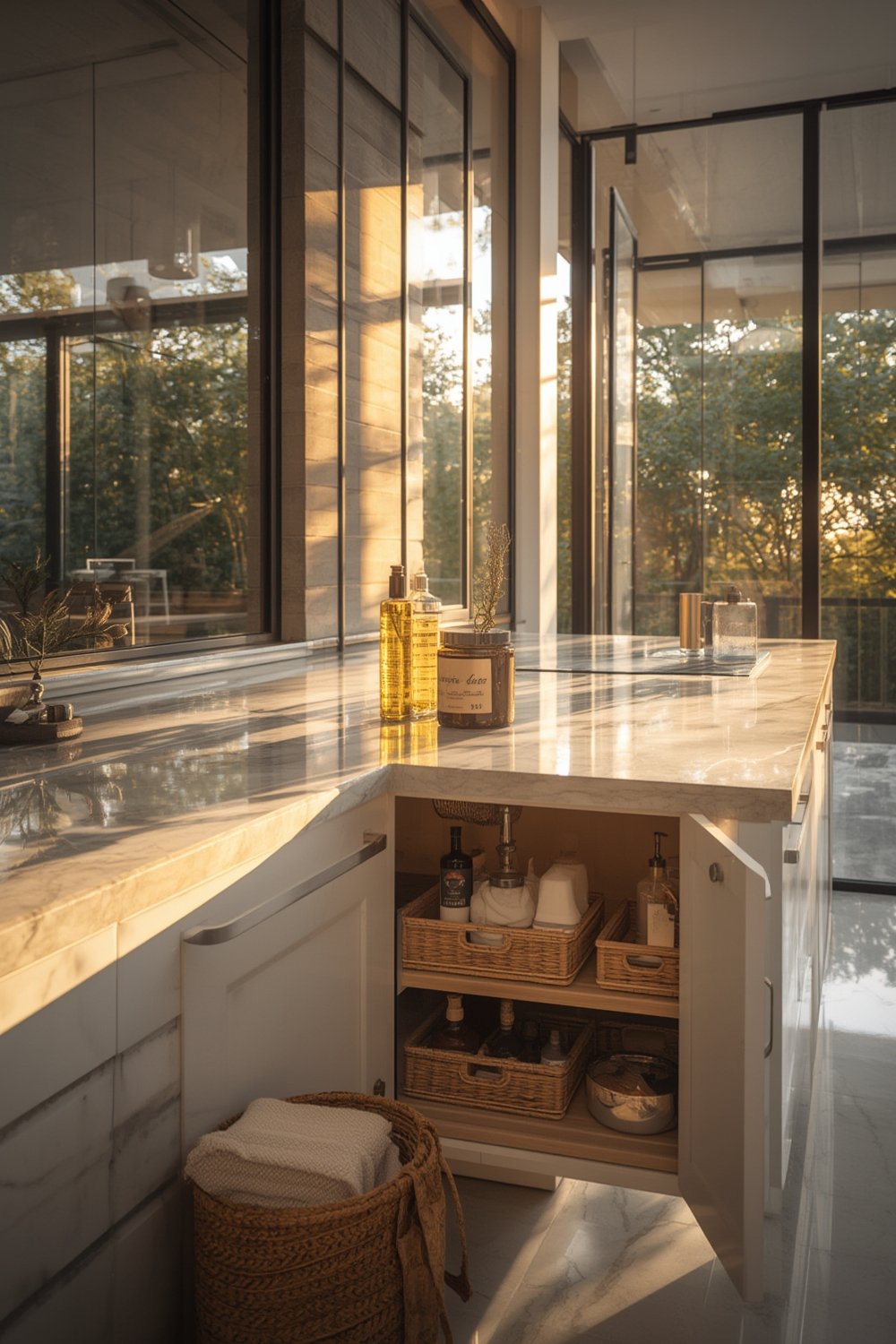
Choosing the right under sink organizer can also have a domino effect on your entire kitchen’s efficiency. Not only does it help keep cleaning supplies, sponges, and trash bags neat, but it can also boost your overall kitchen organization. For renters or homeowners looking to refresh their space, a good under sink solution offers an instant visual upgrade with real day-to-day benefits.
How to Install and Optimize an Under Sink Organizer: Step-by-Step
- Measure Your Cabinet and Plumbing Layout
Start by measuring the height, width, and depth beneath your sink. Pay special attention to drainpipes, water shut-offs, and any odd angles that may affect how an organizer sits inside the space. - Choose the Right Organizer Style for Your Needs
Decide between adjustable racks, pull-out trays, multi-compartment shelves, or a combination organizer. adjustable racks dominate the market for their flexibility (source), making them a safe bet for most cabinets. - Select Durable, Water-Resistant Materials
Metal organizers—especially those with a powder-coated finish—offer superior resistance to moisture and corrosion compared to plastic or wood (source). - Pre-Assemble Components if Needed
Many organizers arrive flat-packed. Assemble loose shelves or install the non-slip pads before fitting the unit under your sink. - Install the Organizer
Carefully slide or place your organizer into the cabinet. For pull-out designs, secure rails to the cabinet base using provided screws, double-checking alignment with the plumbing.
- Load and Optimize Your Storage
Group items by category: place daily-use cleaners on pull-out shelves, store scrubbers and cloths in built-in baskets, and use adjustable height platforms for taller bottles. - Maintain and Adjust as Needed
Check for leaks, wipe down the organizer monthly, and tweak shelf arrangements during seasonal deep cleans.
Want to further maximize space? Pair your under sink organizer with a few space-saving kitchen gadgets or drawer inserts to create a seamless organizational system throughout your kitchen.
Advanced Analysis & Common Pitfalls to Avoid
While under sink organizer adoption is surging, most homeowners encounter at least one challenge after installation. Below is a breakdown of design types, their pros and cons, and common issues you can expect—especially if your cabinet isn’t standard.
| Organizer Type | Best For | Benefits | Drawbacks |
|---|---|---|---|
| Adjustable Rack | Irregular cabinets | Customizable, fits around plumbing | Requires measuring, may be unstable on uneven bases |
| Pull-Out Tray | Deep cabinets, easy access | Maximizes space, easy to reach rear items | More complex installation, can stick if debris builds up |
| Multi-Compartment | Organizing small items | Keeps categories separate, prevents topple | Less flexible for tall bottles, takes up width |
| Fixed Shelf | Budget upgrades | Easy to use, usually inexpensive | No adjustability, plumbing conflicts, less efficient use of space |
Common Pitfalls
- Incorrect Measurements: Overlooking even a half inch around pipes or disposal units is a top reason organizers won’t fit or function properly.
- Poor Material Selection: Plastic or particle board units without water resistance can warp, stain, or develop mildew over time—metal with a powder coat is much more durable.
- Neglecting Maintenance: Spills and leaks accumulate under sinks. Failing to clean organizers semi-regularly invites mold or corrosion.
- Overloading: Many organizers have a recommended weight limit. Overfilling can damage slide-out mechanisms and cause sagging shelves.
- Ignoring Installation Instructions: Improper mounting (especially for sliding trays) may lead to instability or stripped screws. Always double-check alignment.
Top-performing features like adjustable trays, water-resistant coatings, and anti-bacterial surfaces don’t just sound good—they directly impact daily usability and long-term reliability. For advanced users, consider integrating modular organizers or supplementing with drawer organizer inserts for tighter storage control.
Conclusion & Next Steps
Under sink organizers offer a fast, high-impact way to transform unused space, boost kitchen and bathroom functionality, and improve overall organization. While no single solution fits every cabinet, focusing on adjustable, metal, water-resistant organizers helps you avoid most pitfalls. Ready to reclaim your under-sink chaos? Start by measuring your space and choosing a high-quality under sink organizer designed for your needs.
Want more tips on kitchen efficiency? Explore our guides on choosing the best vegetable chopper or browse our picks for essential kitchen gadgets for small spaces.
Take action now—your organized kitchen starts with a single step!
Frequently Asked Questions
What size organizer fits under a standard kitchen sink?
Most standard kitchen sink base cabinets range from 24 to 36 inches wide with at least 20 inches of depth. Always measure the clear space (factoring in plumbing and garbage disposal) before purchasing.
Are metal organizers better than plastic?
Generally, yes. Metal organizers (especially those with powder-coated finishes) are more durable, corrosion resistant, and less susceptible to warping or mold than plastic. However, high-grade plastics with anti-bacterial treatment can be a good lightweight option.
How can I prevent mold under my sink with an organizer installed?
Choose water-resistant materials and remove everything for a wipe-down at least monthly. Use shelf liners or non-slip mats to catch drips and leave the cabinet doors open after leaks or spills to dry out the space.
Can under sink organizers increase my home’s resale value?
There’s no direct data on resale value, but professional organizers agree that a tidy, well-organized kitchen makes a home more appealing to buyers. Simple upgrades like under sink organizers can improve perceived quality and cleanliness.
What’s the easiest organizer to install for renters?
Freestanding adjustable racks or multi-compartment baskets that don’t require screwing into the cabinet are perfect for renters. They’re easy to remove, reposition, and won’t damage cabinetry.