

Blog Post:
Pantry organization system is one of the fastest ways to improve daily kitchen routines, save space, and cut down on wasted groceries. Unlike a simple shelf shuffle, a true pantry system is a strategic arrangement designed to make every ingredient and tool visible and accessible. In 2024, evolving home storage trends and the boom of glass and cabinet organizers make it more vital than ever to approach pantry setup with a plan—while watching out for real-world problems like fragile containers and overwhelming initial setups.
Key Takeaways
- The market for pantry organization systems is growing steadily, with glass and cabinet organizers leading industry trends.
- Most users struggle with finding the right mix of visibility, accessibility, and durability in kitchen storage containers.
- A practical pantry organization system focuses on space efficiency, maintenance, and preventing common pitfalls.
- What Is a Pantry Organization System and Why Does It Matter?
- How to Set Up a Functional Pantry Organization System
- Advanced Tips, Pitfalls, and Real-World Problems
- Conclusion
- Frequently Asked Questions
What Is a Pantry Organization System and Why Does It Matter?
A pantry organization system isn’t just about stacking cans and boxes—it’s a deliberate approach to arranging every kitchen staple so you save time, minimize food waste, and reduce the daily search for ingredients. At its core, the system involves sorting, categorizing, and containing food items and tools for maximum clarity and efficiency.
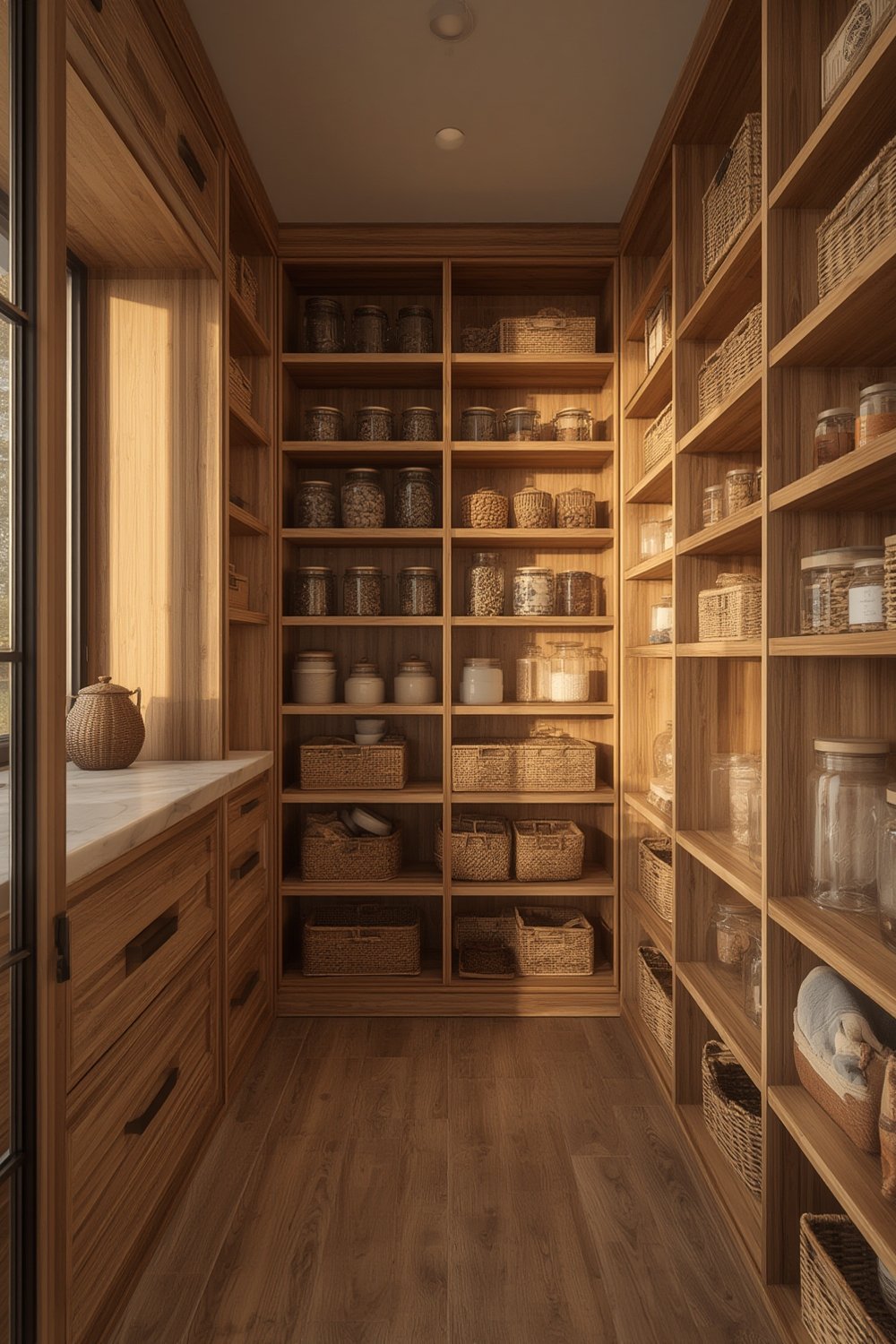
Recent market data highlights why this is such a big deal: The global kitchen storage and pantry organization products market is expected to reach USD 182.08 billion by 2030 at an annual growth rate of 4.8%. Glass containers are increasing in popularity due to concerns about health and sustainability, reflected in their 5.3% CAGR in this category. Cabinet and drawer organizers are also trending, making up a large part of the fastest-evolving segment (2.75% CAGR in the US).
Getting it right means less food spoilage, quicker meal prep, and a better sense of control in your kitchen—especially crucial for families with busy schedules or small urban spaces. For more insight on optimizing kitchen space, see Maximizing Space in Your Kitchen Gadgets.
How to Set Up a Functional Pantry Organization System
Thinking about reorganizing your pantry? These steps offer a realistic way to overhaul your kitchen storage without the overwhelm:
- Empty and assess
Start by removing everything from your pantry. Toss expired packages. Set aside duplicates and oddities. - Sort and group by category
Place similar items together: grains, canned goods, snacks, baking. Arrange based on how often you use them. - Choose your containers and organizers
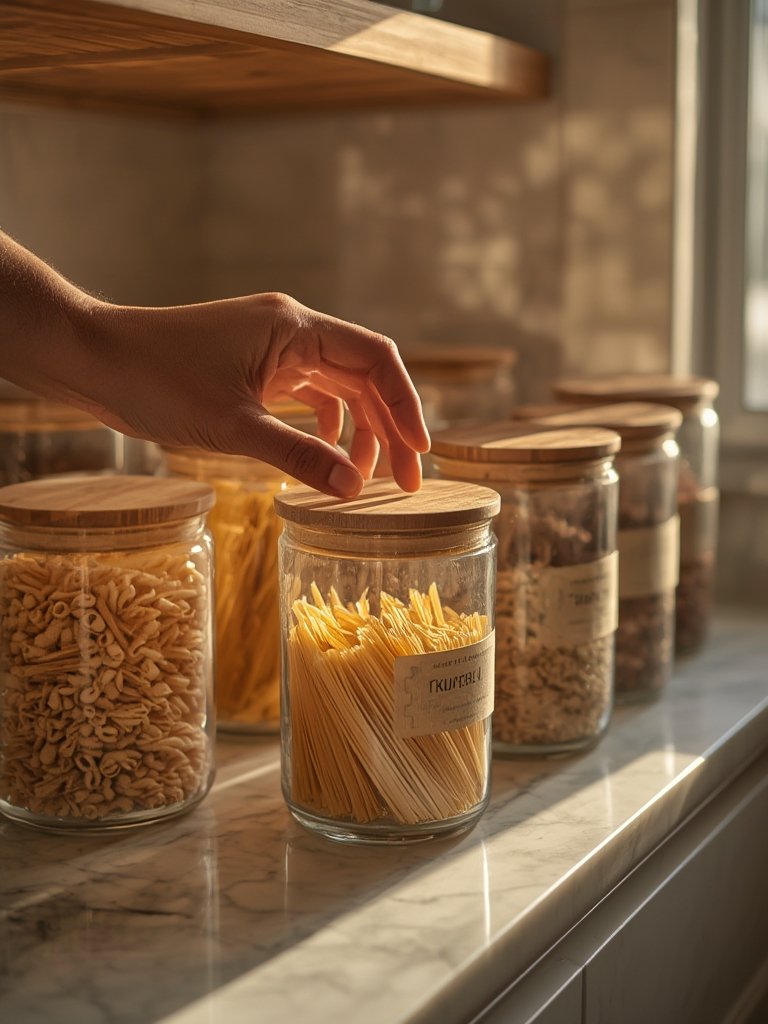
Select storage based on visibility, ease of cleaning, and space maximization. Glass containers are best for dry goods thanks to their durability and lack of chemical leaching, but they’re heavier and can break. Plastic is light and stackable but can discolor over time. Metal bins add style but lack transparency. Read tips on selecting tools in How to Choose the Best Vegetable Chopper. - Label and create zones
Use simple labels for every container, even clear ones. Dedicate shelves or bins as “zones” for each food category or function. - Make use of vertical and hidden space
Shelf risers, wall hooks, and stackable baskets double your usable area. Consider pull-out cabinet organizers for deep shelves. - Maintain weekly
Quick 10-minute checks prevent clutter from creeping back in. Adjust system as your household’s needs change.
For more kitchen storage tips, check out Essential Kitchen Gadgets for Apartment Living and the Ultimate Guide to Trending Kitchen Gadgets.
If you often prep vegetables or need tools that speed up meal-making, a quality chopper can further streamline your pantry workflow. See Is a Vegetable Chopper Worth It? for insights.
Advanced Tips, Pitfalls, and Real-World Problems
Even the best intentioned pantry organization system can run into trouble. Here’s what the research and real-life users highlight as ongoing challenges:
- Container issues: Glass jars chip and shatter, especially when stacked. Plastic can warp in hotter kitchens, and metal containers make it hard to spot what’s inside.
- Usability mismatch: Buying trendy stackables or modular systems without measuring shelves leads to wasted cash and lost space—many sets don’t fit common US shelves.
- Setup overwhelm: Completely emptying your pantry is daunting and can lead to hours of chaos if you don’t have a game plan.
- Inconsistent maintenance: Perfect setups break down fast without regular spot-checks, especially in large households.
| Material | Pros | Cons |
|---|---|---|
| Glass | No chemicals, fully inert, visible contents, freezer/oven safe | Heavy, breakable, costlier initially |
| Plastic | Lightweight, economical, often modular/stackable | Possible leaching, stains, less durable, can warp |
| Metal | Durable, stylish, sometimes stackable | Opaque, less common for food storage items |
There are still gaps in research about the direct impact of pantry systems on food waste or time savings, but many home cooks report smoother mealtime routines after a thorough reorganization. Innovations like smart storage containers are rare—most advances are still in better e-commerce solutions rather than true tech upgrades (source).
Want to see more about next-gen kitchen solutions? Browse The Best Kitchen Gadgets on Amazon and The Future of Food: Trending Kitchen Gadgets.
Conclusion
An effective pantry organization system pays off fast—reducing clutter, saving time, and improving food tracking. Just keep it realistic: measure before you buy, maintain in small increments, and accept that adjustments are part of optimizing kitchen life. Ready to build a smart, sustainable approach for your kitchen? Start by mapping out your shelves and choosing the right containers—your pantry organization system starts today.
If you found these steps helpful, check out our other kitchen organization articles and start implementing your system this weekend!
Frequently Asked Questions
What types of containers work best for pantry organization?
Glass containers are best for dry goods and longevity, according to recent market reports. Plastic is light and affordable, while metal is stylish but less transparent. Use a mix based on shelf space and food type.
How often should I reorganize or maintain my pantry?
Ideally, perform a quick audit every 1-2 weeks and deep reorganization every 3-6 months. This keeps food visible and prevents waste.
Are there any smart or app-enabled pantry storage solutions worth buying?
Currently, few true smart pantry systems exist. Most recent innovations focus on modularity and better container designs—true digital solutions are limited downtown the line.
How can I maximize pantry space in a small kitchen?
Use vertical solutions like stackable organizers, shelf risers, and wall hooks. Repurpose items such as magazine racks for wraps, or consider pull-out baskets for deep shelves.
Do pantry organization systems really reduce food waste?
While there isn’t definitive data, an organized pantry does help track expiry dates and keep items visible, which can lead to less spoilage.