

Electric food choppers technology is rapidly becoming an essential kitchen tool for busy home cooks who want to save time and achieve consistent meal prep results. If you’re considering one, this data-driven guide breaks down what you need to know—from market trends and user challenges to advanced specifications and expert usage tips.
The Core Concept
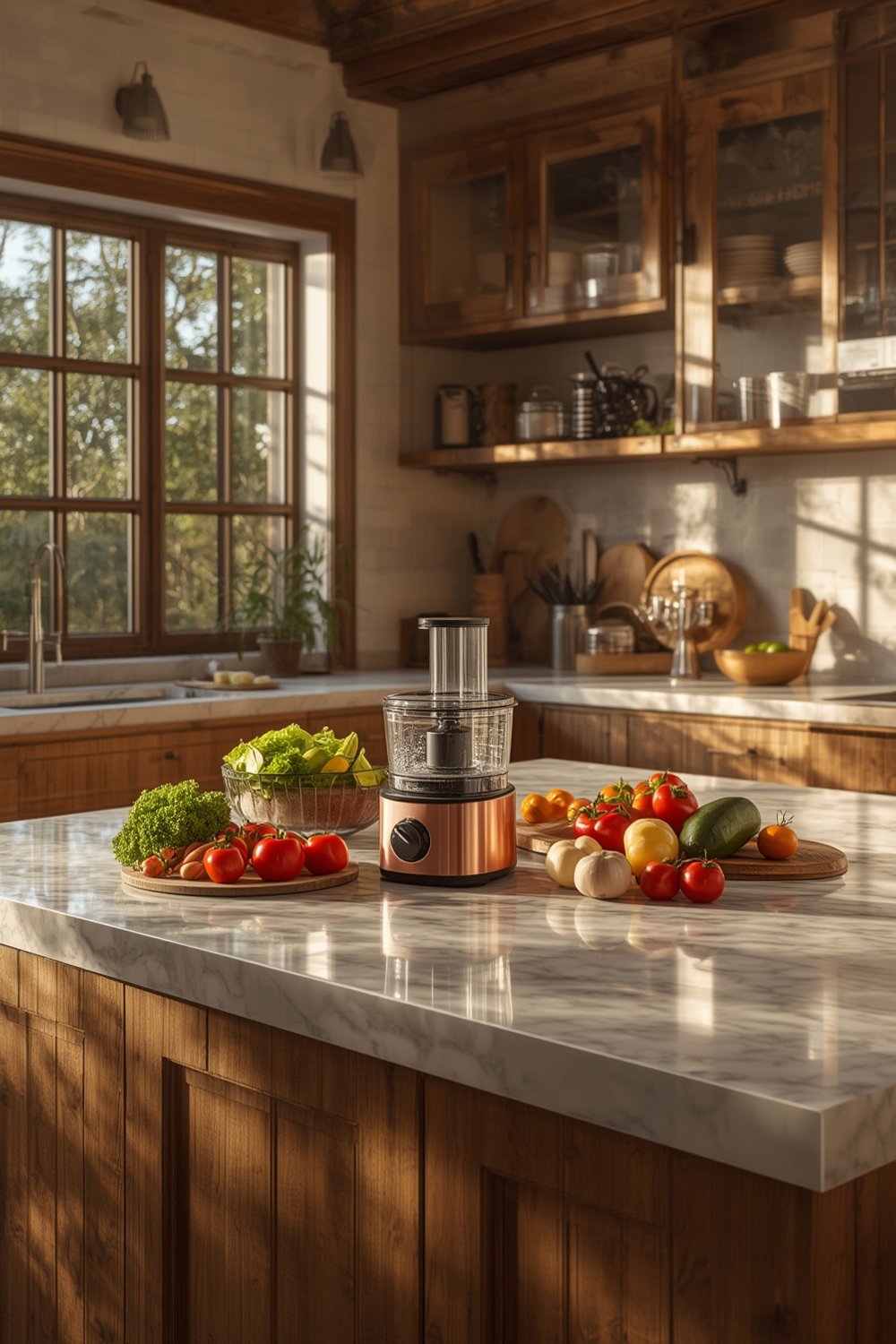
Electric food choppers are compact appliances designed to automate chopping, dicing, or mincing vegetables, fruits, and sometimes nuts and herbs. Unlike full-size food processors, these units focus on core slicing and chopping tasks with push-button simplicity—making them ideal for quick meal prep, limited kitchens, or beginner cooks.
The market for electric food choppers is seeing strong growth. In 2024, global food chopper sales are valued at about $2.0 billion, with electric models making up around 63% of those sales—equal to roughly $1.26–$1.35 billion. Projections show steady growth through 2030, fueled by the rise of home meal-prepping, health trends, and increased demand for time-saving kitchen gadgets. According to Deep Market Insights and Mordor Intelligence, annual growth rates of 4–8% are expected, with higher market penetration in urban and dual-income households.
For kitchen efficiency fans seeking more guidance on selection, be sure to check our vegetable chopper buying guide.
Step-by-Step Guide
Getting the most from your electric food chopper is about more than just pressing a button. Here’s how to get professional-grade results while extending your appliance lifespan.
- Choose the Right Bowl Size and Power: For single servings or meal-prep, a 300–500 ml bowl and 250–400 W motor works for most veggies. For family batches or harder foods, aim for 1 L+ and 400 W+ to prevent stalling or uneven chopping.
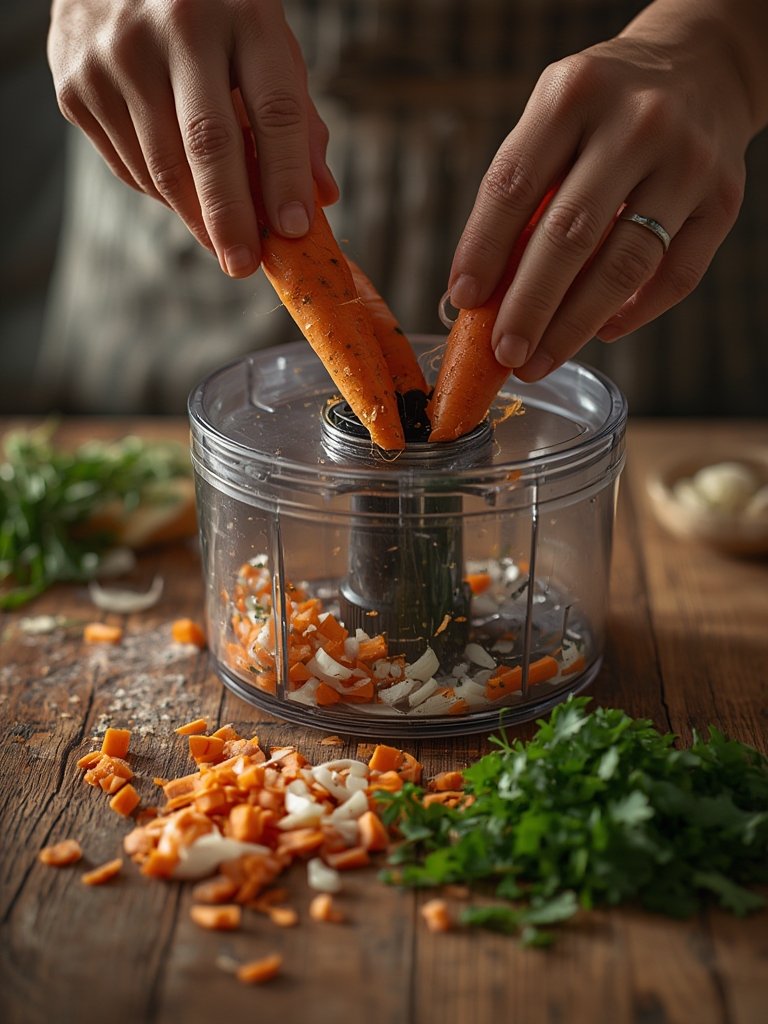
Tip: Compare the best-rated choppers by bowl size and motor in our detailed reviews. - Prepare Ingredients: Remove tough peels and cut items into even 2–3 cm pieces. This reduces jamming and helps achieve a consistent result.
- Avoid Overfilling: Don’t fill past the max line. Overloaded bowls cause poor blade circulation and uneven pieces. For larger batches, process in multiple cycles for best texture.
- Pulse, Don’t Hold: Use short pulses (1-2 seconds) for more control—especially with soft foods that can turn mushy if left running. Check consistency between pulses rather than relying on time only.
- Clean Immediately: Rinse blades and bowl after every use and dry thoroughly. Remove and wash any blade towers or removable posts to prevent odor build-up and bacterial growth.
- Check for Safety Features: Always assemble the bowl and lid securely; use models with interlocks or overload protection for peace of mind.
See which choppers offer the best durability and safety features in our full buyer analysis.
Don’t forget: frequent cleaning, choosing the right capacity, and being mindful of duty cycle all extend the life of your appliance and protect your warranty. Want smart ways to maximize kitchen space? See our roundup of space-saving kitchen gadgets.
Advanced Analysis & Common Pitfalls
Despite their popularity, electric food choppers come with their own set of challenges. Here’s an evidence-backed overview of common pitfalls—and how to avoid them.
User Complaints by Category
What Competing Articles Often Miss
- Few competitors report actual chop time data—you won’t find “200 g of carrots in 18 seconds” on most retailer sites.
- Lifecycle & warranty nuances aren’t discussed: look at cycle rating and recall notices, not just “1-year warranty”.
- Plastic hygiene and material safety is overlooked—watch for BPA-free claims but also biofilm risk, dishwasher temperature ratings, and blade separation recalls.
To learn if these appliances are truly worth the investment for your cooking routine, read our analysis: Is a Vegetable Chopper Worth It?
Price vs Feature Correlation
Generally, the more you pay, the more power, safety features, and durability you get. Here’s a quick price/spec guide:
- Entry-level: $20–$35 — 100–250 W, 200–500 ml, basic chop only. Durability and safety are limited.
- Mid-range: $35–$70 — 250–500 W, up to 1.5 L, upgraded locking and overload features, usually stainless blades.
- Premium: $70–$150+ — 400–700 W, 1–2 L, robust gear trains, glass/Tritan bowls, multiple speeds, often 2–5 year warranty.
Want to see the best performers? Visit our ultimate vegetable chopper review.
Efficiency Evidence
- Speed: Chops 200–400 g of onions or carrots in 10–30 seconds—2–4 times faster than knife chopping.
- Fatigue: More suitable for those with hand or joint issues—no repeated cutting motions.
- Batch Consistency: Delivers more reliable sizes for recipes—if you avoid overfilling.
Looking to simplify more meal prep tasks? Check out these easy cooking gadgets smart cooks love.
For more industry stats and safety findings, review open-access research:
[Source 1],
[Source 2],
[Source 3]
Conclusion
Electric food choppers deliver significant time savings, especially for meal-prep enthusiasts and anyone tired of tedious manual chopping. However, choosing the right capacity, power, and safety features is critical, as is adopting best-use habits like pre-cutting firm produce and immediate cleaning. By understanding the real-world pros and cons, you’ll find the electric food chopper that truly matches your kitchen needs.
Ready to streamline your next meal? Research, compare, and choose your ideal electric food chopper—or explore our comprehensive review of vegetable choppers to get start