

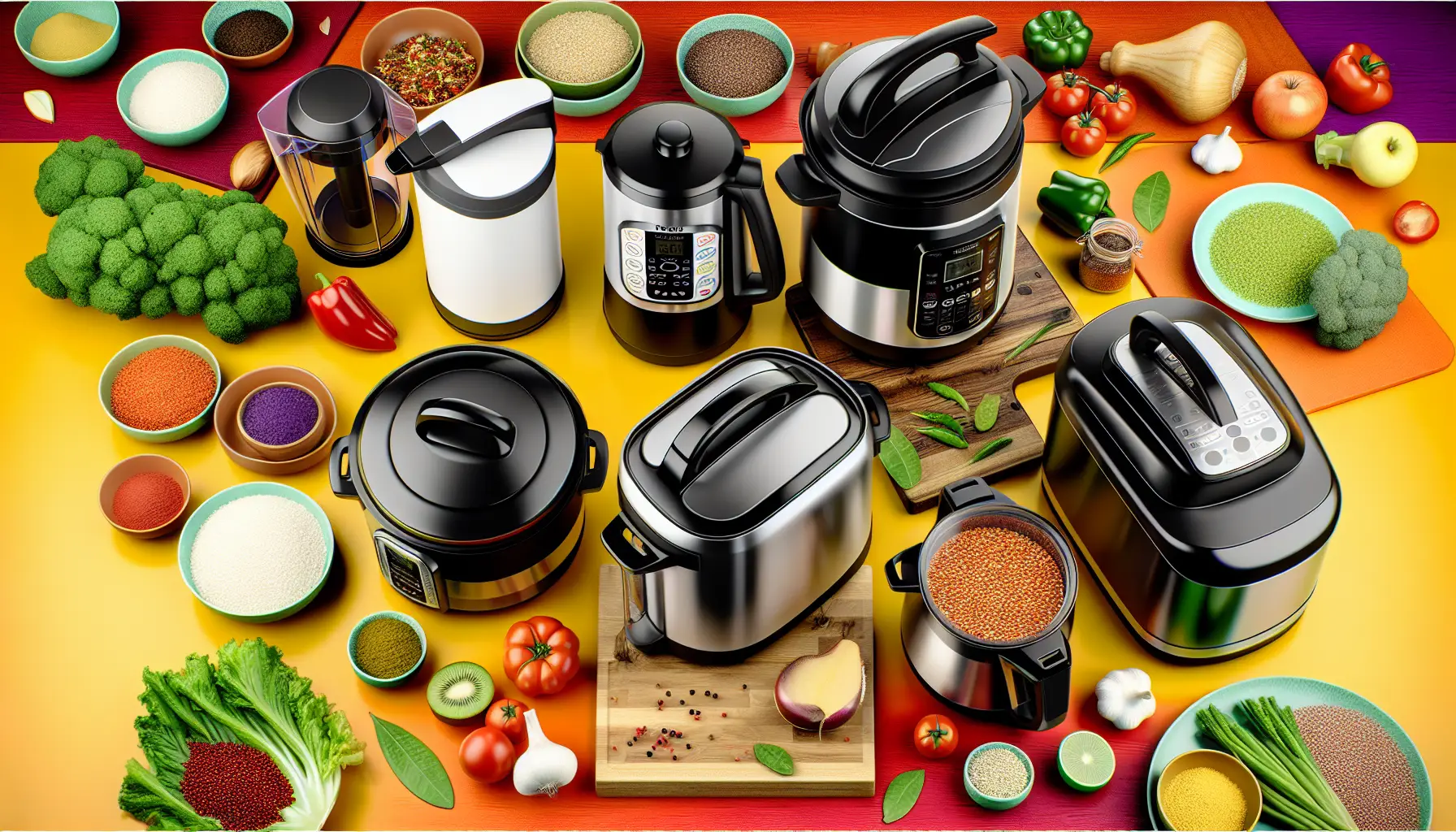
In today’s fast-paced world, time-saving kitchen gadgets have become a culinary necessity. From pressure cookers to multi-cookers, these innovative tools not only speed up the cooking process but also enhance the flavors and textures of your dishes. This article explores the most effective gadgets that every kitchen should have for quick and efficient meal preparation.Ultimate Healthy Kitchen Gadgets
Ultimate Healthy Kitchen Gadgets
Fast cooking has become more than just a convenience; it is a necessity in contemporary households where time is often a scarce resource. The modern kitchen, once a space for leisurely meal preparation, now demands efficiency without compromising flavor or nutrition. This shift reflects significant changes in lifestyle, work schedules, and family dynamics. According to a 2021 survey by the Bureau of Labor Statistics, Americans spend an average of only 27 minutes per day on food preparation and cleanup combined—a noticeable decrease compared to previous decades. This trend underscores the mounting pressure to minimize time spent in the kitchen while still providing home-cooked meals.
The rise of dual-income families, longer work hours, and an increase in remote and hybrid work models have compressed the time available for cooking. Parents juggling childcare and professional responsibilities often find themselves seeking quick and dependable ways to put meals on the table. Furthermore, evolving dietary preferences and the growing emphasis on fresh, wholesome ingredients mean that relying solely on pre-packaged or takeaway options isn’t always desirable or feasible.

Fast cooking is about maximizing efficiency through smarter techniques and smarter tools. Here, kitchen gadgets play a pivotal role by cutting down or simplifying stages of meal preparation—whether that’s chopping vegetables in seconds, accelerating the cooking process through innovative heat distribution, or enabling multitasking with programmable settings. A 2022 report from the Culinary Technology Institute highlighted that households utilizing advanced kitchen appliances could reduce overall cooking time by up to 40%, translating to more time spent with family or on personal pursuits.
Embracing this technological evolution, today’s kitchens integrate appliances designed explicitly for speed without compromising quality. From high-speed blenders to induction cooktops and automated multi-cookers, these gadgets align perfectly with the overarching goal of fast cooking: delivering nutritious, satisfying meals in a fraction of the time traditionally required. As you explore the essential tools that accelerate your cooking journey, understanding this fundamental shift in how we approach meal prep provides valuable context for why these innovations are indispensable in modern culinary routines.
The Role of Pressure Cookers
The pressure cooker stands as a cornerstone in the realm of quick cooking, harnessing the power of steam and elevated pressure to dramatically shorten meal preparation times. Its fundamental operation relies on sealing a pot tightly to trap steam generated from boiling liquid inside. As the pressure builds, it raises the boiling point of water above the standard 100°C (212°F), allowing food to cook at higher temperatures. This accelerates the breakdown of fibers and connective tissues in ingredients, delivering tender, flavorful results in a fraction of the time it would take with conventional methods.

Historically, pressure cookers date back to the 17th century when French physicist Denis Papin invented the “steam digester,” a precursor to modern models designed to reduce cooking time and improve nutrition retention. Over centuries, the design evolved from heavy, bulky vessels with rudimentary safety features to sleek, user-friendly appliances. Early concerns over safety—such as explosions caused by excessive pressure—led to innovations including pressure release valves, locking lids, and fail-safe mechanisms that prevent the cooker from opening before depressurization, establishing trust and widespread usage in home kitchens.
Modern pressure cookers offer remarkable versatility. Beyond classic stews and braises, they excel at quick-cooking grains, legumes, vegetables, and even desserts. For example, dried beans that normally require soaking and hours of simmering can be ready in under 30 minutes. Additionally, many contemporary electric pressure cookers integrate programmable settings for different food types, further streamlining meal preparation.
To maximize efficiency and safety, it is crucial to follow manufacturer guidelines. Ensuring proper liquid levels is essential since the trapped steam creates the pressure necessary for cooking. Overfilling can hinder performance, while insufficient liquid risks burning. Gradual pressure release methods can prevent overcooking delicate foods. In sum, pressure cookers continue to be indispensable for those seeking to accelerate cooking without sacrificing flavor or nutrition.
Multi-Cookers: The Kitchen Workhorses
Multi-cookers have emerged as indispensable kitchen workhorses, combining the functionality of multiple appliances into one compact device. Beyond pressure cooking, these versatile tools integrate slow cooking, steaming, sautéing, and even yogurt-making, which allows home cooks to streamline their kitchen setup and minimize time spent transitioning between different gadgets. Their all-in-one nature means you’re not just saving counter space but also accelerating the overall cooking process.
Modern multi-cookers operate through programmable settings, offering users precision and convenience. For example, the slow cooker function tenderizes meats over several hours, while the sauté mode allows you to brown ingredients directly in the pot, reducing extra dishwashing and prep time. Steaming features are perfect for quickly preparing vegetables or seafood without losing nutrients. This layered versatility lets cooks create full meals—from searing to finishing—without moving food between pans.
Popular models, like the Instant Pot and Ninja Foodi, stand out for their intuitive controls, durable construction, and extensive recipe compatibility. The Instant Pot popularized the multi-cooker trend, with features such as customizable pressure levels and delay start options. Meanwhile, the Ninja Foodi adds crisping lids, enabling users to pressure cook and then quickly air-fry, ideal for meals that demand a crunchy finish in less time. Both units prioritize safety with locking mechanisms and pressure release valves, so despite their complex functions, they remain user-friendly and reliable.
Recipes that shine in multi-cookers include hearty stews, risottos, steamed fish, and even cheesecakes. These devices effortlessly handle everything from quick weekday dinners to more elaborate weekend preparations. The key to leveraging a multi-cooker’s time-saving potential lies in planning: layering ingredients correctly, using the sauté function to build flavors upfront, and utilizing preset cooking programs tailored to various cuisines. By consolidating multiple steps and gadgets into one smart appliance, multi-cookers significantly speed up meal prep without sacrificing taste or texture.
Food Processors and Blenders: Speeding Up Prep Work
Food processors and blenders are indispensable tools when it comes to accelerating meal preparation, transforming what used to be time-consuming tasks into swift, effortless steps. By automating chopping, slicing, blending, and puréeing, these gadgets enable home cooks to bypass tedious manual work and focus more on assembling and cooking dishes. Unlike multi-cookers, which excel at the cooking phase, food processors and blenders focus on prepping ingredients efficiently, making them essential complements in a well-balanced, time-saving kitchen setup.
A food processor’s sharp, versatile blades can finely dice onions, shred vegetables, slice potatoes uniformly, or even knead dough in minutes. This ability to handle large batches with consistent results drastically cuts down prep time for recipes like salsa, coleslaw, or pizza dough. Meanwhile, blenders specialize in pureeing and emulsifying, making them perfect for whipping up smoothies, soups, sauces, and dressings quickly. High-powered blenders can turn even fibrous vegetables or tough nuts into silky textures, replacing hours of manual blending and straining.
To maximize efficiency, it’s important to use the right attachment and avoid overloading the bowl or jar—small, steady pulses often provide better control than continuous operation. Pre-cutting larger ingredients into chunks ensures even processing and protects motor health. For example, a quick pesto sauce comes together in seconds by blending fresh basil, nuts, olive oil, and Parmesan, while a creamy hummus can be whipped up with pre-cooked chickpeas in moments.
Certain dishes truly showcase how food processors and blenders can speed up the entire cooking flow. Cauliflower rice, for instance, is prepared by pulsing florets until they resemble grains, offering a low-carb rice substitute without any chopping labor. Similarly, homemade pancake batter or veggie fritters achieve perfect consistency after a few pulses, saving time on mixing and blending separately. Integrating food processors and blenders into your kitchen repertoire not only streamlines prep but also opens creative avenues for quick, wholesome meals.
Smart Kitchen Appliances: Cooking Meets Technology
The integration of smart kitchen appliances into modern cooking routines marks a significant shift in how busy households manage meal preparation. These devices leverage technology to enhance both convenience and efficiency, particularly in fast-paced environments where every minute counts. Unlike traditional cooking tools, smart appliances connect to Wi-Fi or Bluetooth, allowing users to control and monitor cooking processes remotely through smartphone apps or voice assistants.
One of the standout examples is the smart oven. These ovens come equipped with sensors, cameras, and precise temperature controls that adapt cooking times and heat levels based on the specific dish being prepared. For instance, a smart convection oven can adjust settings in real time to ensure even heating and perfectly cooked meals without the need for constant manual checking. Users can preheat the oven on their way home, select cooking programs tailored to a variety of cuisines, or receive alerts when food is ready, all through their phones. This not only frees up time but also minimizes the risk of overcooking or burning meals, crucial benefits for those juggling multiple tasks simultaneously.
Another popular category is Wi-Fi-enabled slow cookers and multicookers, which combine the traditional benefits of slow cooking with smart scheduling and control features. These appliances allow users to program cooking times, adjust temperatures remotely, and even integrate with digital recipe platforms. For example, some devices automatically update cooking parameters based on the recipe selected, simplifying the process and minimizing hands-on work. This technology enables meal prep to be initiated remotely and finished precisely when desired, avoiding the need for last-minute kitchen hustle.
Additionally, smart kitchen scales and guided cooking systems provide step-by-step assistance, adjusting ingredient measurements and cooking instructions dynamically. These tools reduce guesswork and speed up the entire cooking sequence, making it ideal for less experienced cooks or those looking to replicate complex recipes quickly.
By merging connectivity with advanced cooking technology, smart kitchen appliances transform cooking from a time-consuming chore into a streamlined, manageable activity—perfectly complementing other fast-prep tools like food processors and blenders.
Conclusions
In conclusion, equipping your kitchen with the right gadgets can significantly reduce cooking time and enhance your culinary experience. By embracing tools like pressure cookers, multi-cookers, and various high-tech appliances, you can prepare delicious meals swiftly without compromising quality. Invest in these essentials to enjoy a more efficient and enjoyable cooking journey.