

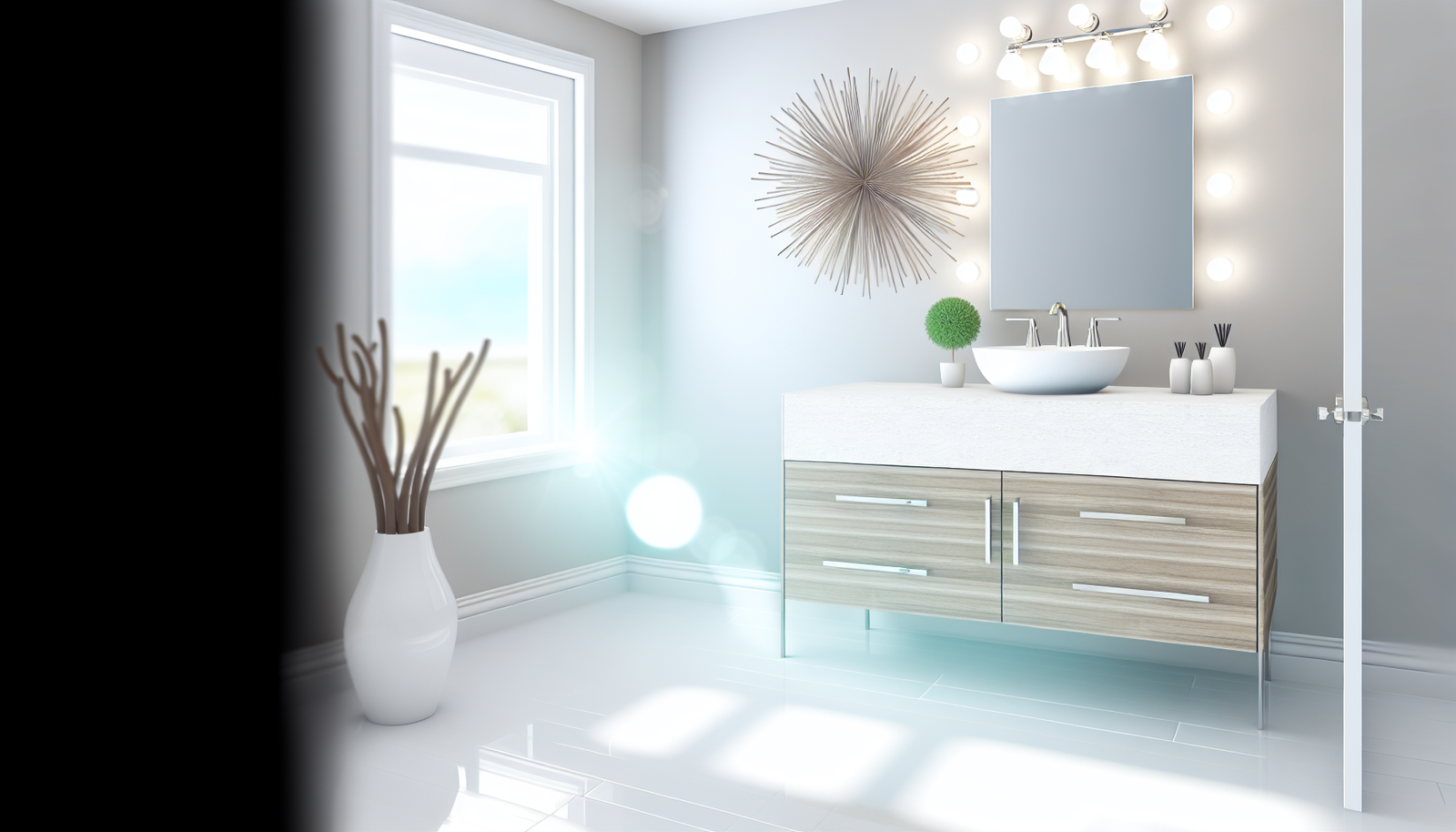
Replacing your bathroom vanity can dramatically enhance the style and functionality of your space. This guide will walk you through the steps, from selecting the right vanity to installation and finishing touches, ensuring a seamless and successful renovation experience.How to Replace Your Bathroom Vanity: A Comprehensive Guide
How to Replace Your kitchen dicord: A Comprehensive Guide1
Choosing a vanity is about balancing form and function. Start by establishing the physical limits: overall footprint (width, depth, and height), clearance for doors and drawers, and how the vanity will relate to the toilet, shower, and entry path. Measure twice — and from multiple reference points — accounting forHow to Replace Your Bathroom Vanity: A Comprehensive Guide1 baseboards, floor unevenness and the location of the plumbing rough-in. Bring these exact measurements (and photos) when shopping so manufacturers or contractors can confirm fit and necessary modifications.
Style and scale determine how the vanity integrates with the room. A low-profile, wall-mounted unit creates visual airiness for small bathrooms; a freestanding cabinet suits traditional spaces. Consider proportion: a large, ornate vanity can overwhelm a compact room, while a minimalist floating design might look out of place in a period home. Coordinate finishes — hardware, countertop and faucet style — to create a cohesive look.How to Replace Your kitchen dicord
Materials and maintenance directly affect longevity and installation complexity. Solid hardwood and plywood joinery are durable but can cost more; MDF and laminate are budget-friendly but less water-tolerant. For tops, quartz and granite are durable and heavy; cultured marble and solid-surface are easier to maintain. Thin laminates are lightweight but scratch-prone. Ask about water-resistant coatings, edge protection, and warranty.How to Replace Your kitchen dicord
Storage and organization should match your routines. Drawers with full-extension slides and built-in dividers are ideal for daily essentials; pull-out trays and vertical organizers maximize deep cabinet space. Consider hidden features (soft-close, toe-kick drawers, integrated hampers) and plan for plumbing intrusions inside the cabinet that can reduce usable space.How to Replace Your kitchen dicord
Practical considerations include whether you need ADA-compliant height, a double sink layout, or a floating unit requiring strong wall framing. Budget, installation complexity and whether you choose a custom piece or an off-the-shelf vanity will influence lead times and the scope of work needed during the upcoming removal and installation phases.
Preparing for Removal
Turn off water and power — Locate the vanity’s local shutoff valves and turn them off. If your vanity lacks individual shutoffs, close the home’s main water valve. Open the faucet to relieve remaining pressure and run water until it stops. If you’ll be removing lights, outlets, or a plugged-in electrical mirror, switch the circuit breaker off and verify power is dead with a non-contact voltage tester.
Clear and protect the area — Empty drawers and cabinets, remove toiletries, and take down mirrors or shelving attached to the vanity. Lay down a protective drop cloth or cardboard to prevent scratches to tile or hardwood. Position a bucket and several rags near the plumbing to catch water, and keep a flashlight and phone handy.How to Replace Your kitchen dicord
Essential tools and supplies — Have an adjustable wrench, basin wrench (for tight supply nuts), channel-lock pliers, screwdrivers (Phillips and flat), utility knife or caulk remover, putty knife, pry bar, oscillating tool with a cutting blade (for stubborn caulk or screws), bucket, towels, masking tape and labels, and safety gear (gloves, safety glasses, and a dust mask).

Disconnect plumbing carefully — Start by loosening the flexible supply lines at both the shutoff valve and faucet; drain into the bucket. Next, disconnect the P‑trap from the drain—loosen slip nuts and lower the trap into the bucket. If the trap is corroded, cut it off with a hacksaw and replace during installation. Cap or wrap exposed pipes to prevent drips and contamination.
Detach the vanity — Slice caulk along the back and top seams with a utility knife. Remove mounting screws into the wall studs (usually behind the backsplash or inside the cabinet) and free any adhesive with a putty knife and pry bar. Lift with a partner; many vanities are heavy and awkward—use proper lifting technique and consider furniture sliders.How to Replace Your kitchen dicord
Safety and documentation — Wear eye protection, gloves, and a mask for mold or dust. Take photos of plumbing and mounting before disassembly and label disconnected parts for easier reinstallation.
Installing the New Vanity
Place the new vanity into the cleared space and do a full dry-fit before fastening anything. Check that the back of the cabinet sits flush against the wall and that there’s room for drain and supply connections. Use a long level across the vanity top and along the face to identify low or high spots. If the floor or wall is out of plumb, correct it with thin plastic or wooden shims under the base until the cabinet is perfectly level front-to-back and side-to-side. Tighten shims progressively and keep rechecking the level.
Locate wall studs and mark them through the cabinet back; if the vanity has a mounting rail or cleat, use that to distribute load. Secure the unit to studs with 2½–3″ wood screws through the rail or the cabinet’s rear rail, sinking screws into the studs while keeping the vanity level. For wall-mounted vanities, use the manufacturer’s brackets or a French cleat and verify anchor capacity; if you can’t hit studs, use heavy-duty toggles rated for the expected load.
Reinstall the countertop and sink if not pre-attached. It’s often easier to attach the faucet to the sink before setting the top. Lower the countertop into place, shim as needed, and fasten per the manufacturer’s instructions. Reconnect the drain assembly and P-trap, ensuring slip nuts are hand-tightened then given a quarter turn with a wrench; use plumber’s tape on threaded joints where appropriate. Attach supply lines—flexible braided lines are forgiving for alignment—and connect to shutoff valves. Slowly restore water and check all connections for leaks.
Common challenges and quick fixes:
– Uneven floor: use stacked shims and secure with construction adhesive behind the cabinet back.
– Misaligned drain or short tailpiece: swap to a longer tailpiece or use an offset drain elbow.
– No studs at mounting points: use heavy-duty toggles or add a blocking board behind drywall.
– Heavy counters: support with temporary ledger or have an assistant.How to Replace Your kitchen dicord
Trim exposed shims flush and check cabinet doors/drawers for proper alignment before moving to finishing steps.
Finishing Touches and Decor
Once the vanity is set, the finishing touches determine both durability and style. Start with sealing: use a high-quality, mildew-resistant silicone caulk where the vanity meets the wall and around the sink rim. For gaps wider than 1/4″, insert a closed-cell backer rod first to prevent excessive caulk use and ensure proper flex. Mask edges with painter’s tape for crisp lines, apply a steady bead, then tool the joint with a wet finger or a caulk-smoothing tool and remove the tape before the bead skins. Allow the full cure time on the caulk label before exposing to water.
Install remaining fixtures and hardware with care. For cabinet pulls and towel bars use a drilling template to maintain consistent placement and pre-drill holes to avoid splitting veneer. Apply a drop of threadlocker or marine-grade silicone on screw threads in high-moisture zones to prevent loosening. Mount mirrors with appropriate anchors for the wall type; for heavy or framed mirrors use a French cleat or mirror clips rated for the load.
Lighting and layering are crucial to the finished look. Combine task lighting (vanity sconces or a lighted mirror) placed at eye level for even facial illumination, with ambient light (overhead recessed or a ceiling fixture) and accent lights (LED under-cabinet strips or toe-kick lighting) to add depth. Choose LEDs with a CRI above 90 and a color temperature between 2700–3000K for flattering, warm skin tones. Install dimmers to control mood and perceived space.How to Replace Your kitchen dicord
Choose accessories that resist humidity and reinforce your palette: matte metal finishes, ceramic trays, quick-dry textiles, and plants tolerant of low light. Keep scale and repetition in mind—repeat a finish or color in three places to create cohesion. These finishing decisions elevate the vanity from installed to intentional, protecting it while defining the room’s character.

Maintaining Your New Vanity
Careful maintenance preserves the look and function of your vanity long after installation. For everyday care, wipe surfaces with a soft microfiber cloth and a pH-neutral cleaner or mild dish soap diluted in water; dry immediately to prevent standing moisture. Avoid abrasive pads, bleach, or acidic cleaners on delicate finishes—these will dull wood, attack stone sealers, and strip protective coatings on metals. For fixtures and hardware, a soft cloth and a nonabrasive cleaner keep finishes bright; rinse and dry to prevent water spots and mineral buildup.
Material-specific cleaning and protection:
- Solid wood: Clean with damp cloth; every 6–12 months apply a manufacturer-recommended oil, wax, or spar urethane topcoat to renew moisture resistance and repair micro-scratches.
- Laminate and thermofoil: Use mild cleaners and avoid prolonged soaking; repair chips with manufacturer touch-up kits to stop moisture ingress.
- Natural stone: Use stone-safe cleaners and reapply a penetrating sealer according to product guidelines (typically every 1–3 years) to maintain stain and water resistance.
- Metal hardware: Remove mineral deposits with a vinegar solution for chrome or a specialty polish for brass; always rinse and dry.
Routine checks and small repairs: Monthly inspect under-sink plumbing for slow drips, check supply lines and shut-off valves, look inside cabinets for soft spots, swelling, or discoloration that indicate moisture damage. Test drawer slides and hinges; tighten loose screws and lubricate moving parts with a silicone spray. Address chips, cracks, or delamination promptly with repair kits or filler before they worsen.
Protecting surfaces from moisture: Use absorbent mats or trays under toothbrushes and soap, never leave wet towels draped over cabinet edges, and ensure adequate bathroom ventilation after showers. For high-use bathrooms consider door-mounted drip trays or a small catch basin beneath the sink valve. Keep a simple maintenance log—date of reseal, hardware replacements, and any repairs—to help plan preventative care and extend the life of your vanity.
Conclusions
In conclusion, replacing your bathroom vanity is a rewarding home improvement project that can elevate your bathroom’s aesthetics and efficiency. By following the steps outlined in this guide, you can confidently transform your space, ensuring it meets both your design preferences and functional needs.How to Replace Your kitchen dicord